Non-fluorinated droplet systems for hydrogel bead production
Explore how non-fluorinated droplet systems can support hydrogel bead production in microfluidic workflows, including alginate, PAM and core–shell chitosan particles.
Fluorinated oils have become a standard choice in droplet microfluidics due to their chemical inertness, excellent emulsion stability, and compatibility with a wide range of biological and chemical systems. These properties have made them highly effective for producing monodisperse droplets and microparticles.
However, researchers are increasingly exploring non-fluorinated alternatives.
Fluorinated oils can be relatively expensive, may require specialised surfactants, and are attracting growing environmental and regulatory scrutiny due to concerns surrounding persistent fluorinated compounds. For many applications, particularly during process development, material screening, and scale-up studies, there is interest in identifying more accessible and sustainable droplet-generation systems.
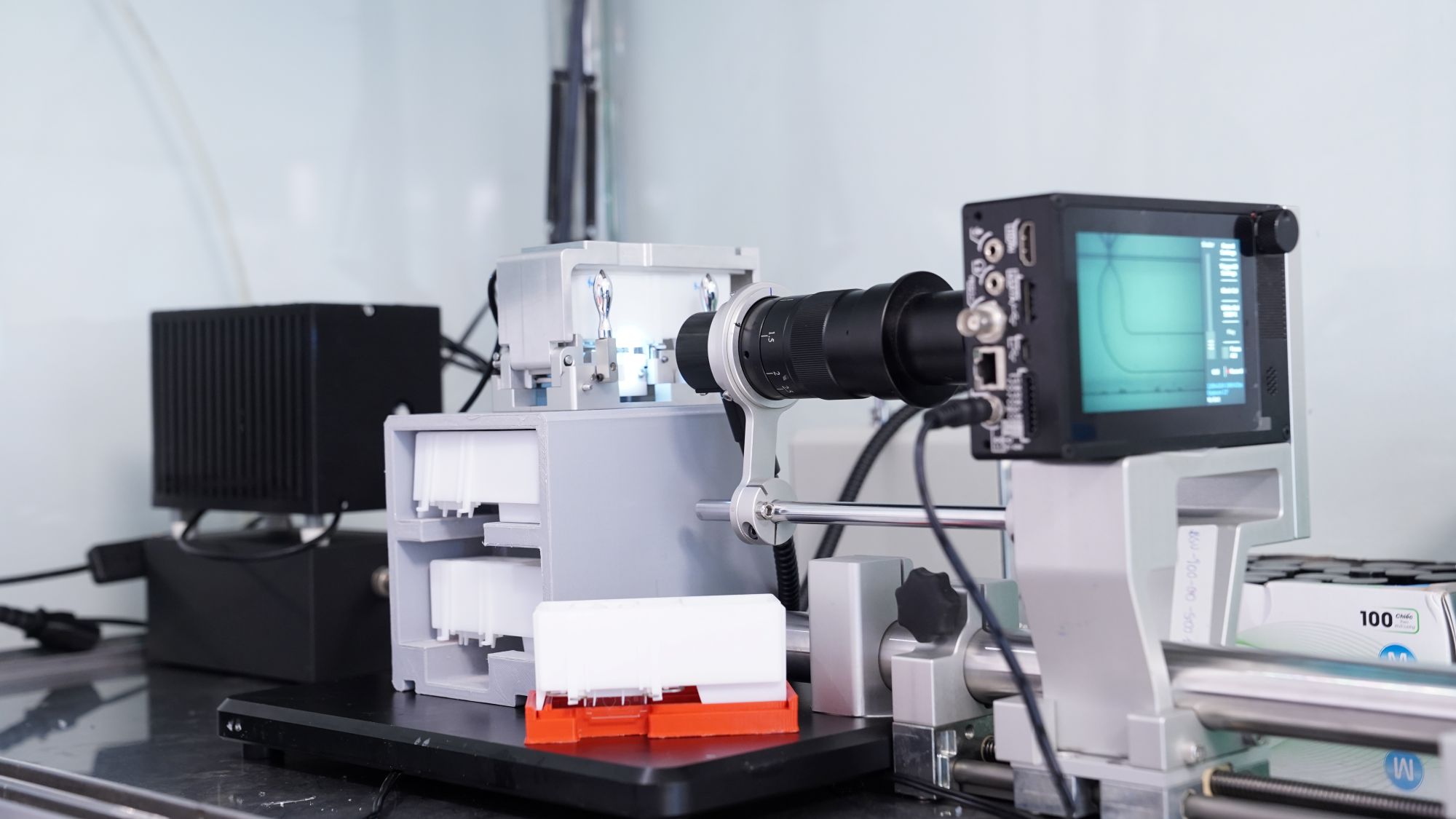
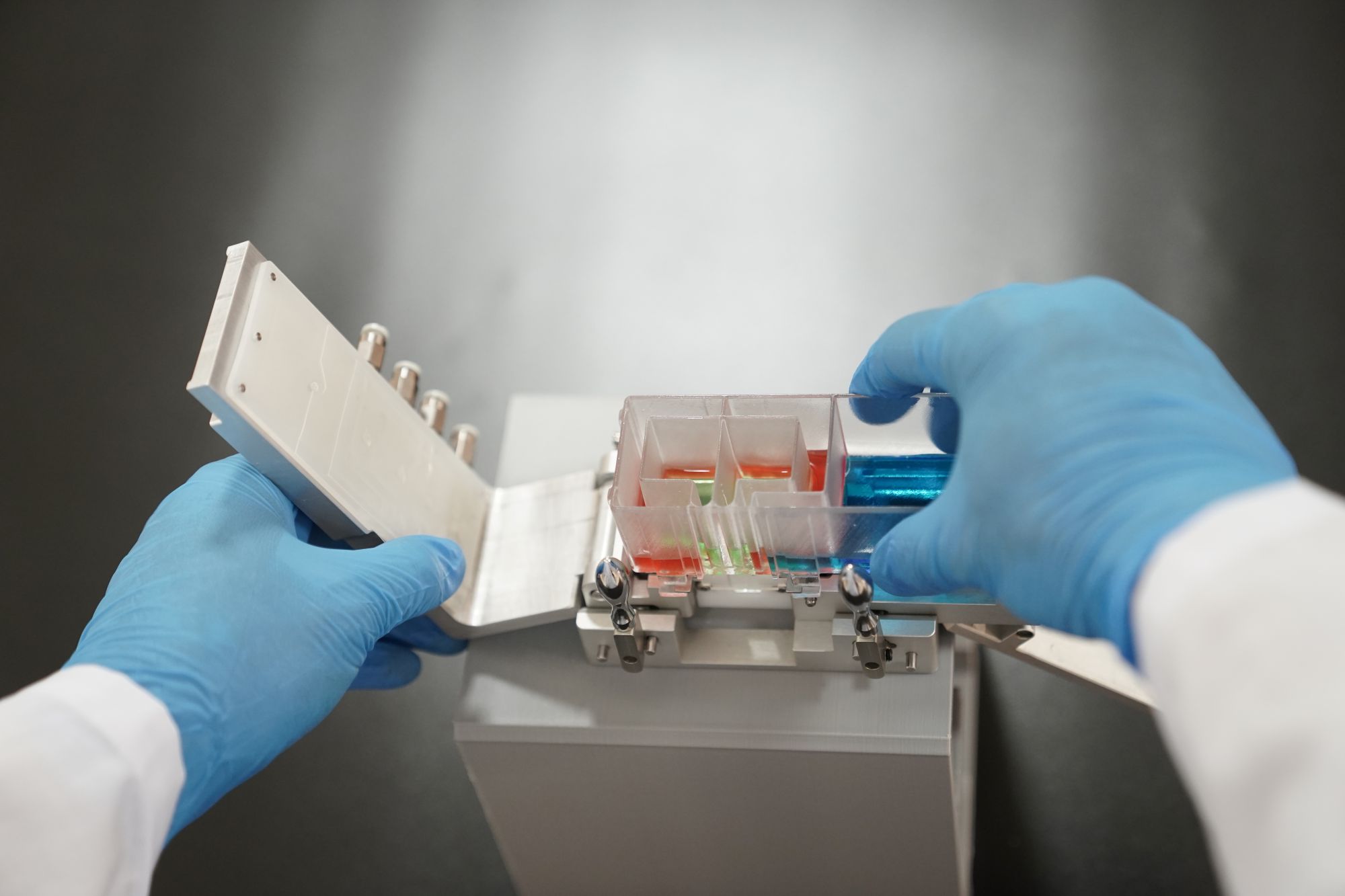
At Blacksheep Sciences, we have been investigating non-fluorinated oil systems for hydrogel bead production. The goal is to understand how different hydrocarbon oils and surfactants behave in microfluidic workflows, and whether they can provide stable droplet generation while supporting downstream particle formation.
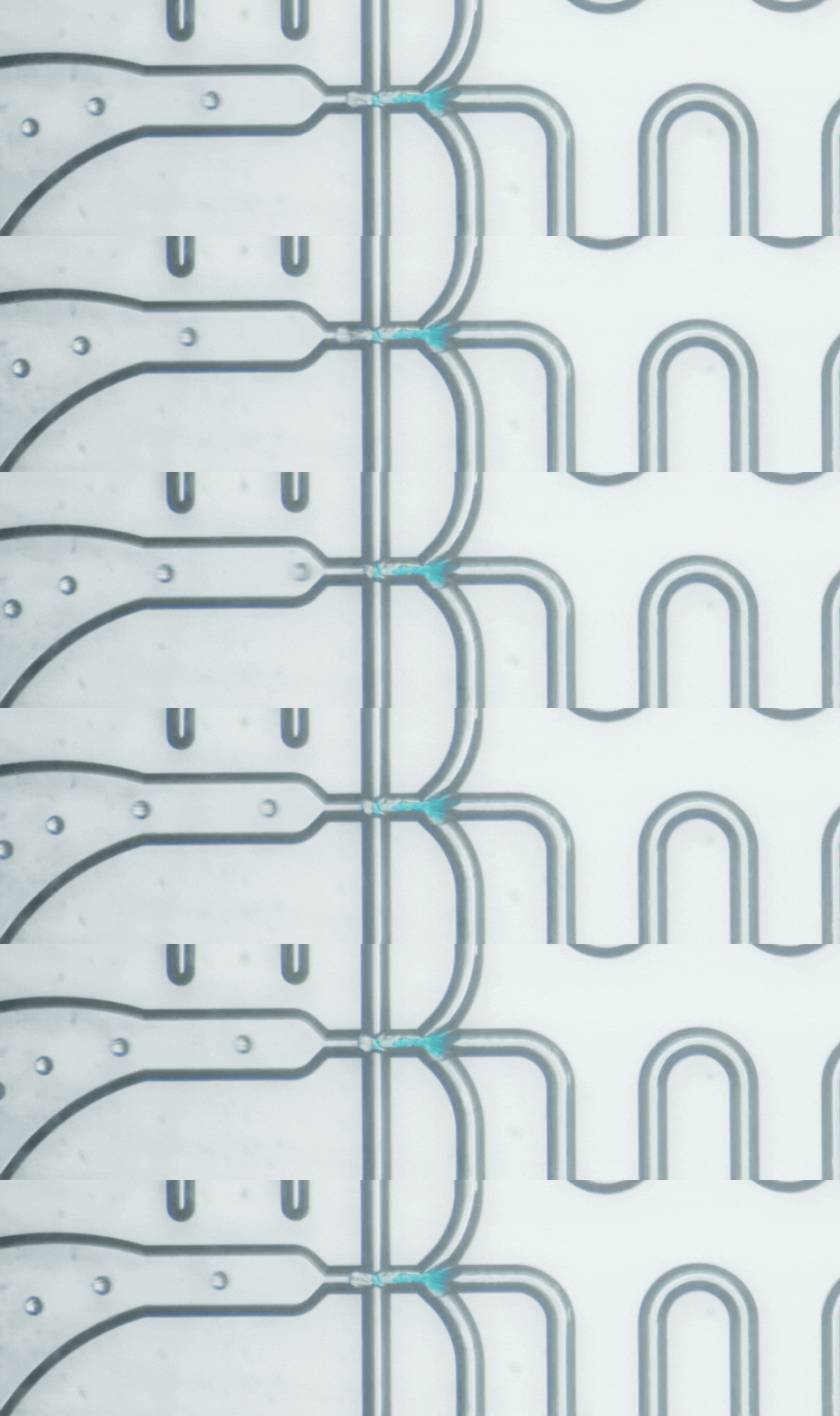
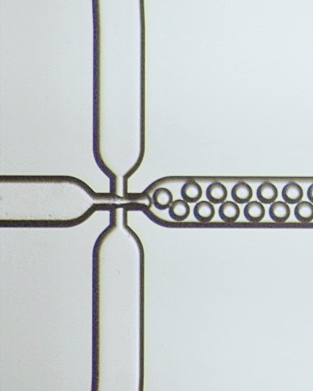
Droplet formation with non-fluorinated systems
In this work, a range of non-fluorinated oil and surfactant combinations were evaluated to identify conditions that support stable droplet formation, minimise coalescence, and maintain compatibility with continuous microfluidic operation.
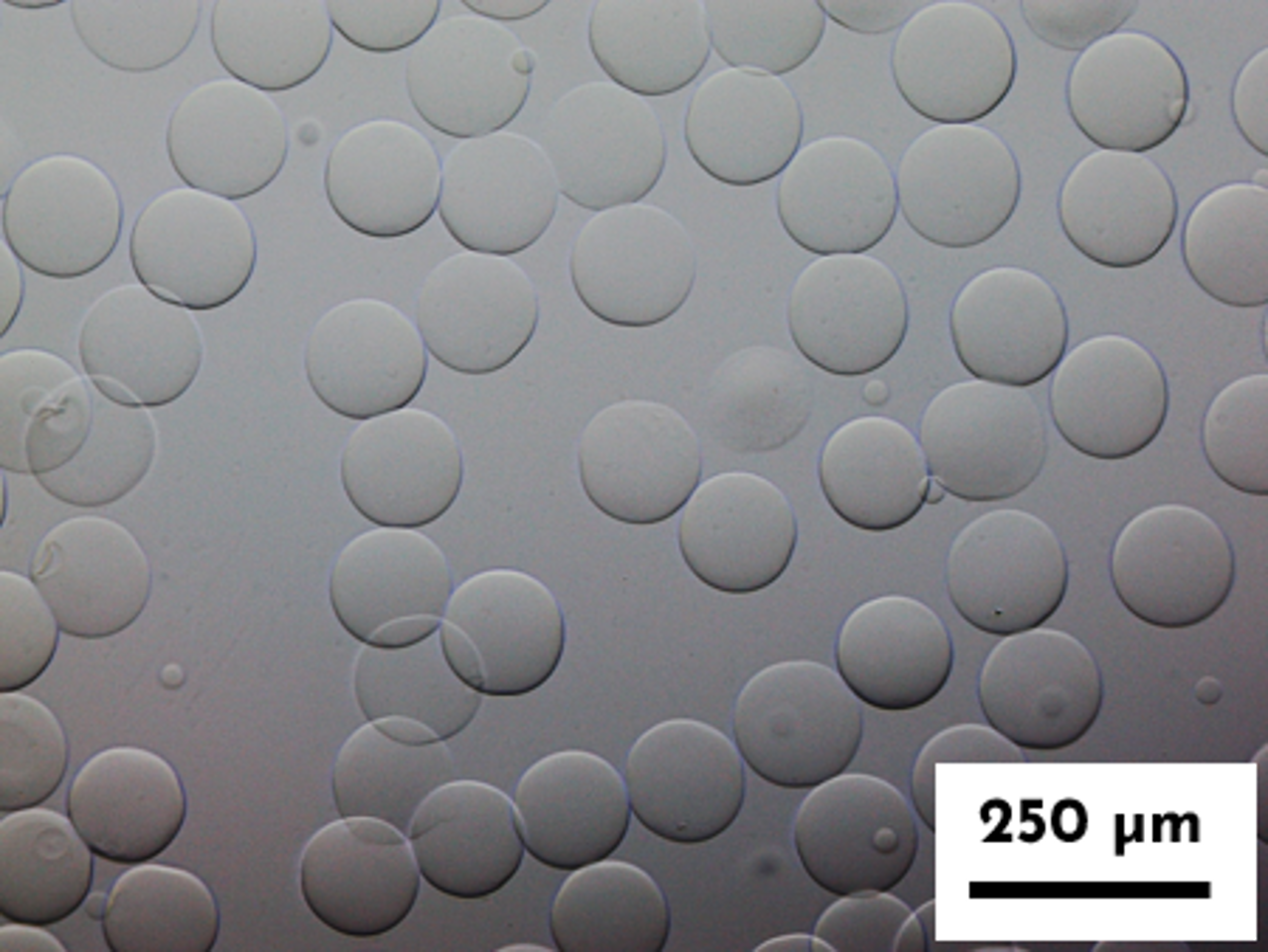
Once stable droplet-generation conditions were established, the systems were applied to the production of several hydrogel bead formulations, including alginate, polyacrylamide (PAM), and core–shell chitosan particles.
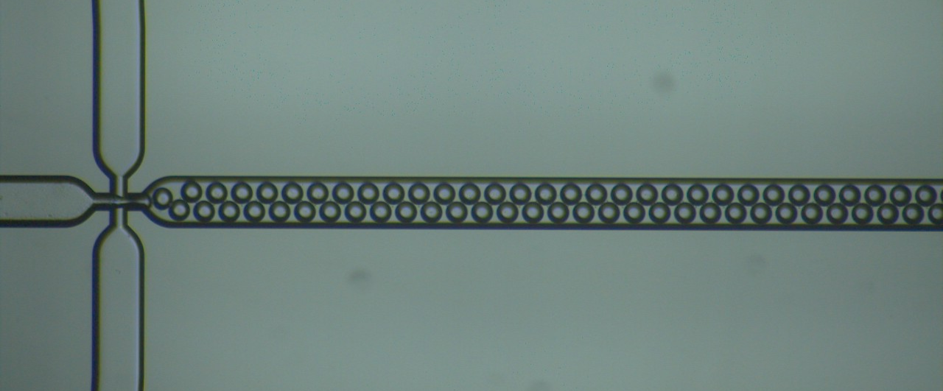
The results demonstrated that non-fluorinated systems could support consistent and reproducible hydrogel bead production when the oil phase, surfactant, material formulation, and microfluidic chip design are carefully matched. Alginate and PAM beads were successfully produced using optimised hydrocarbon-based formulations, while core–shell chitosan particles highlighted the potential of these systems for more advanced particle architectures.
Why does this matter?
The growing interest in non-fluorinated droplet systems is not simply about replacing one oil with another. It reflects a broader effort to develop microfluidic workflows that are more accessible, adaptable, and environmentally responsible, while maintaining the precision and control that make droplet microfluidics valuable.
Our work shows that non-fluorinated systems can provide a practical route towards hydrogel bead production without relying exclusively on fluorinated chemistries. While formulation optimisation remains important, these systems can support both simple and complex particle-generation workflows.
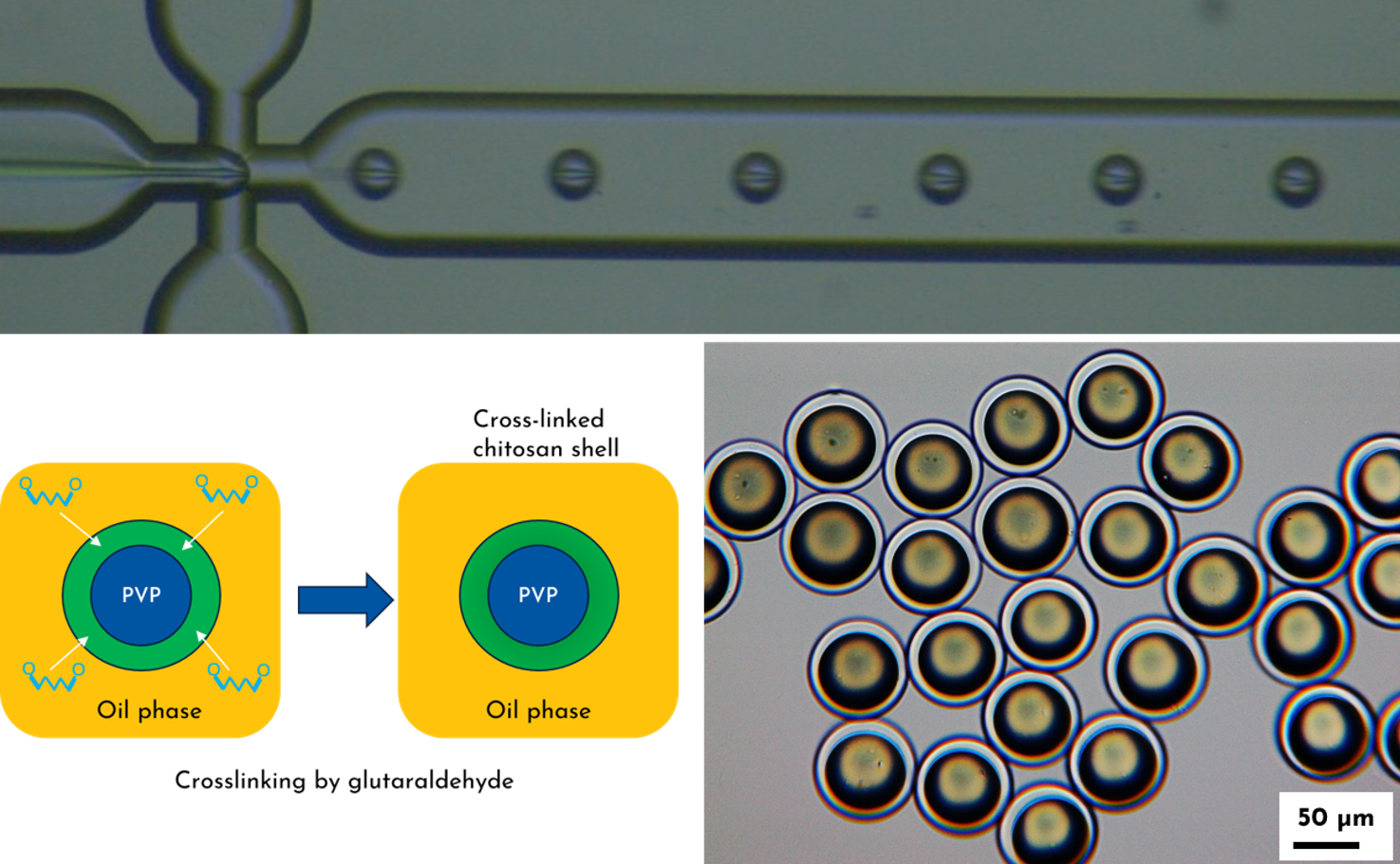
For researchers working on biomaterials, encapsulation, diagnostics, cell culture, or controlled-release systems, non-fluorinated droplet microfluidics offers a promising alternative that combines performance with greater flexibility in material selection and process design.
Blacksheep Sciences supports microfluidic process development and feasibility testing for droplet-based particle workflows. If you are exploring non-fluorinated oil systems for hydrogel bead production, our team can help assess practical routes for formulation and process optimisation.