Explore Microfluidic Particles

Explore our particle catalogue, featuring a range of microfluidically generated particle systems with controlled size, distribution, composition, functionalization, and payload encapsulation. This page provides an overview of the particle types we work with and supports easier comparison across formats, materials, and application areas.

Find the right particle for your application

We are able to provide customization and materials beyond the catalogue items listed below, so if you are interested in something 'off menu' then contact us to discuss your project.

Try: PLGA, hydrogel, chitosan, polystyrene, PEG

No matching particles found. Try another material, particle type or application.

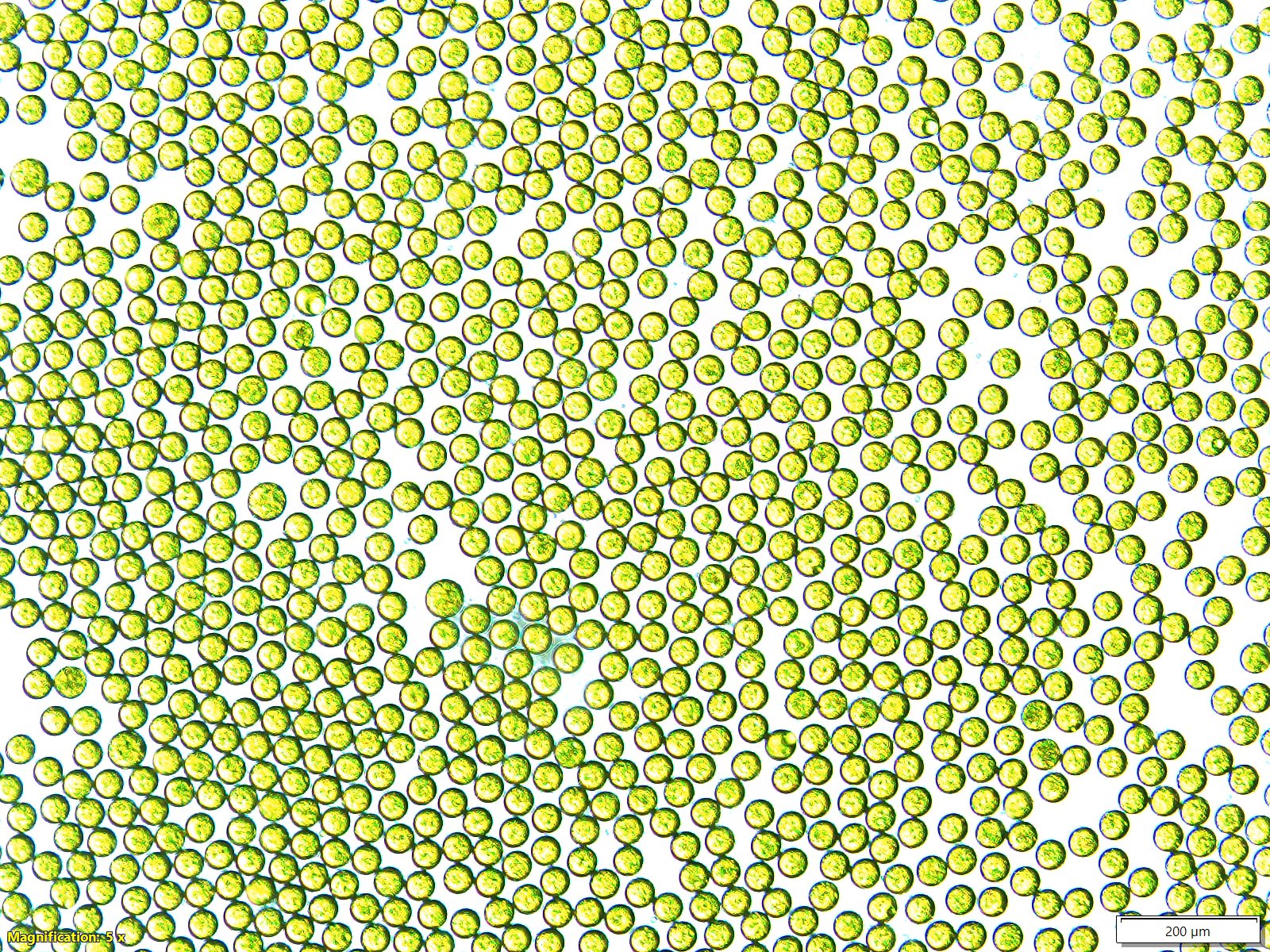
PLGA microparticles

Poly(lactic-co-glycolic) acid
Size range available: 20 – 100 µm
Polydispersity: CV < 5%
Customization options:
• Cell encapsulation
• Drug loading
• PLA/PGA ratio
• Core-shell particles
• Magnetic particles
Request quote
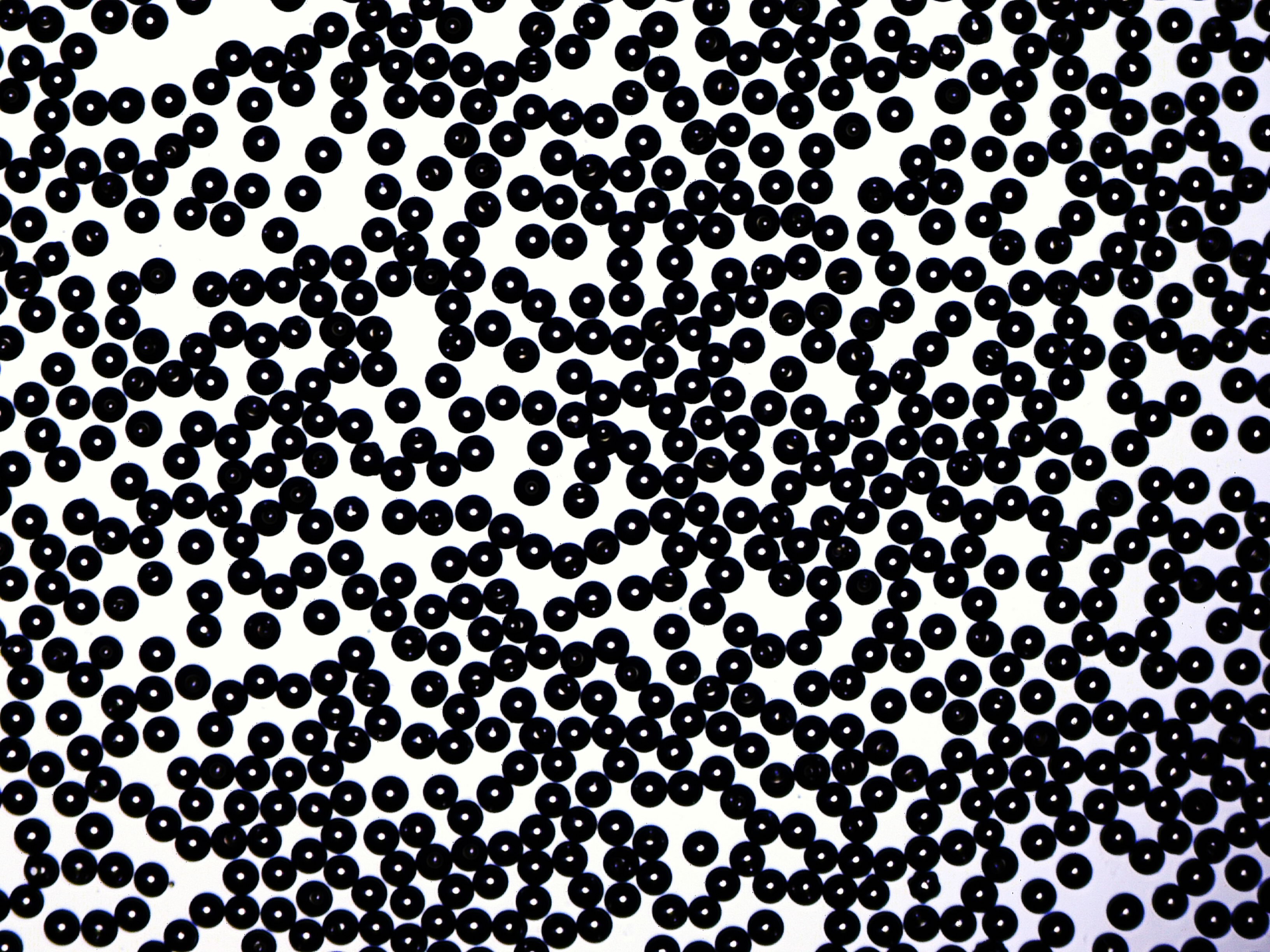
Droplets

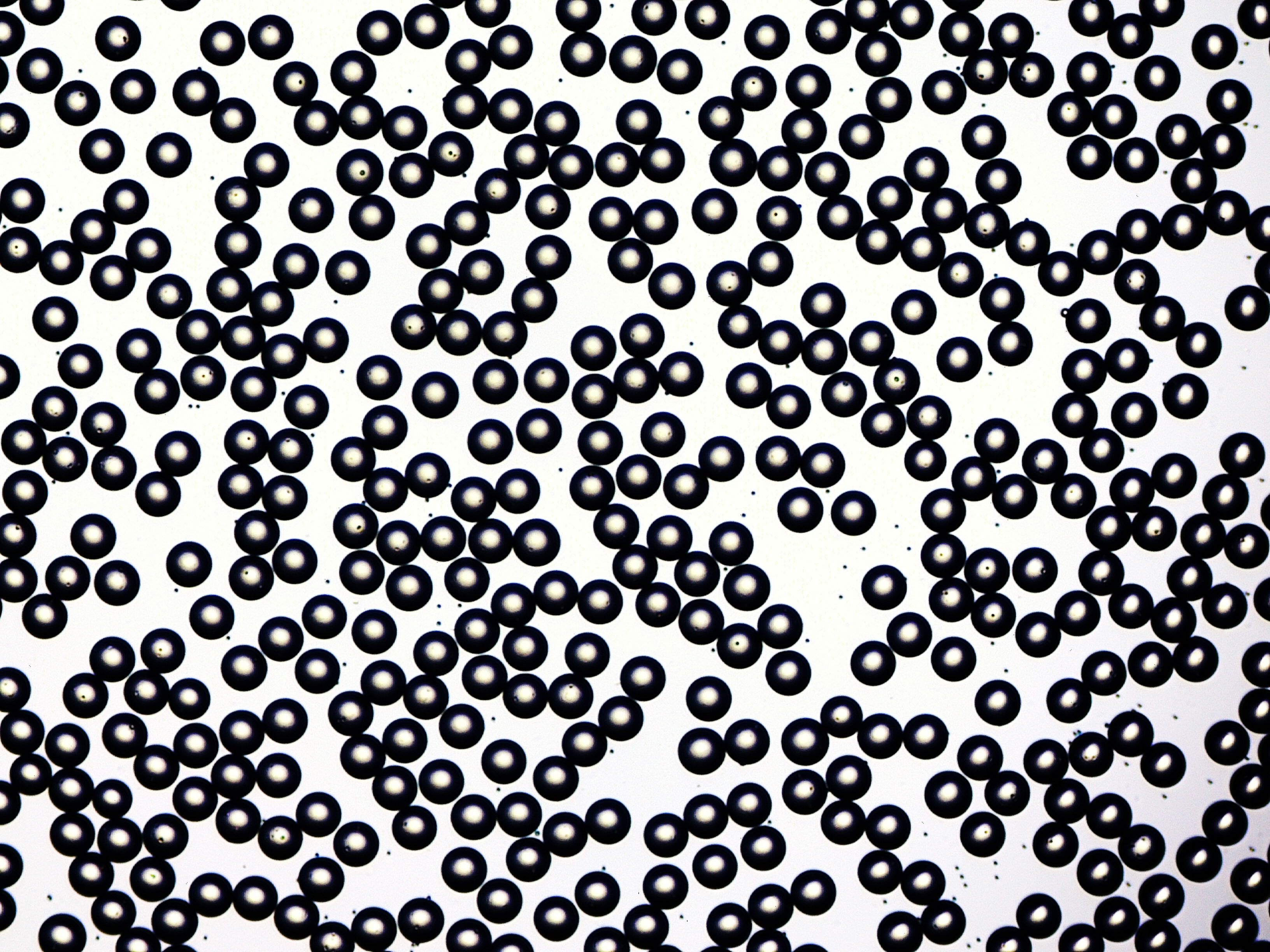
PS microparticles

Plain polystyrene
Size range available: 40 - 140 µm
Polydispersity: CV < 5%
Customisation options:
• Plain polystyrene particles
• Porous PS particles
• Size-controlled particles
• Thermal polymerisation
• Application-specific formulation
Request quote
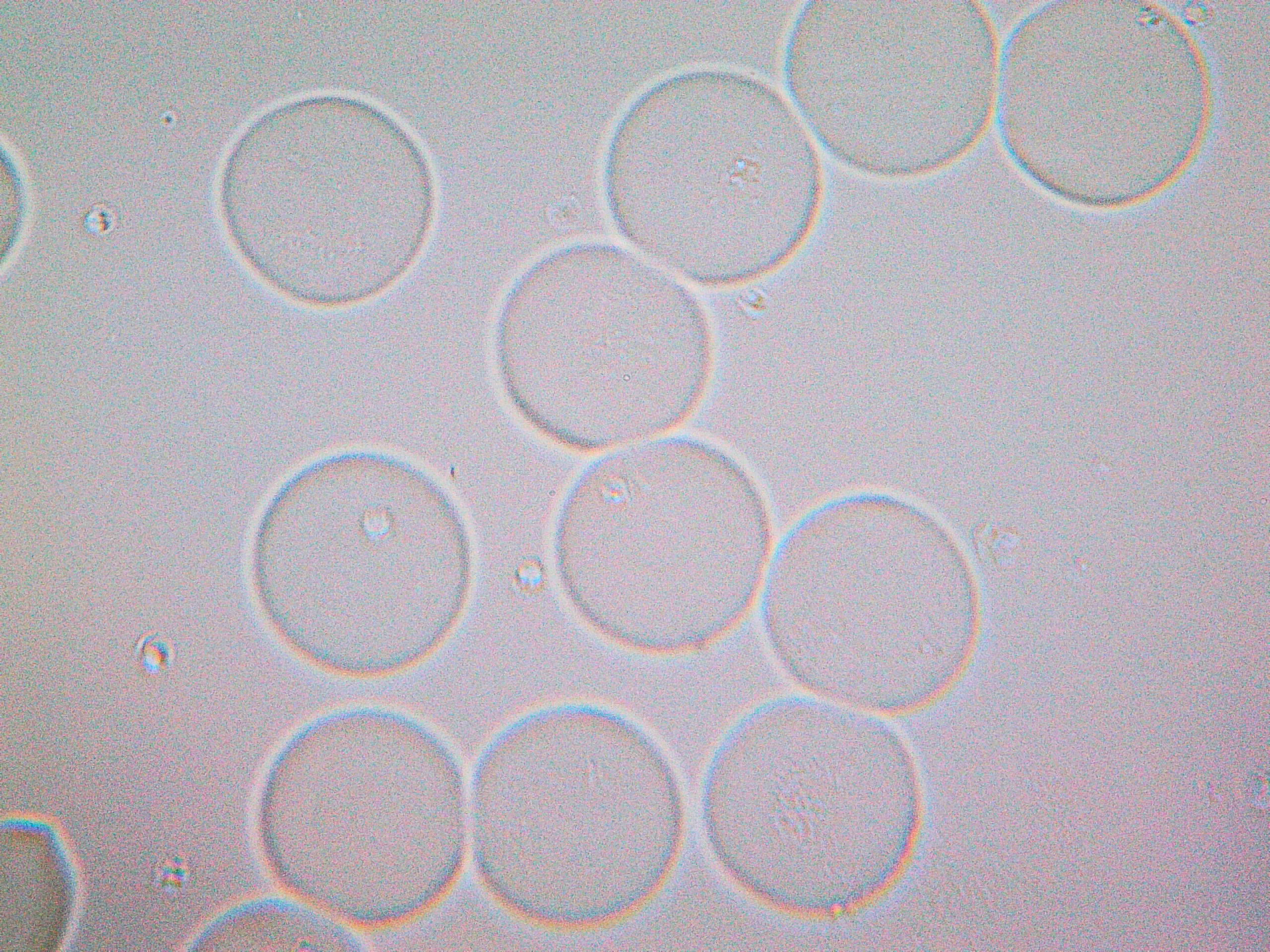
Agarose beads in oil

Agarose microparticles

Size range available: 100 – 290 µm
Polydispersity: CV < 5%
Customisation options:
• Basic agarose particles
• Functionalised particles
• Conjugated particles
• Coloured particles
• Size-controlled particles
Request quote
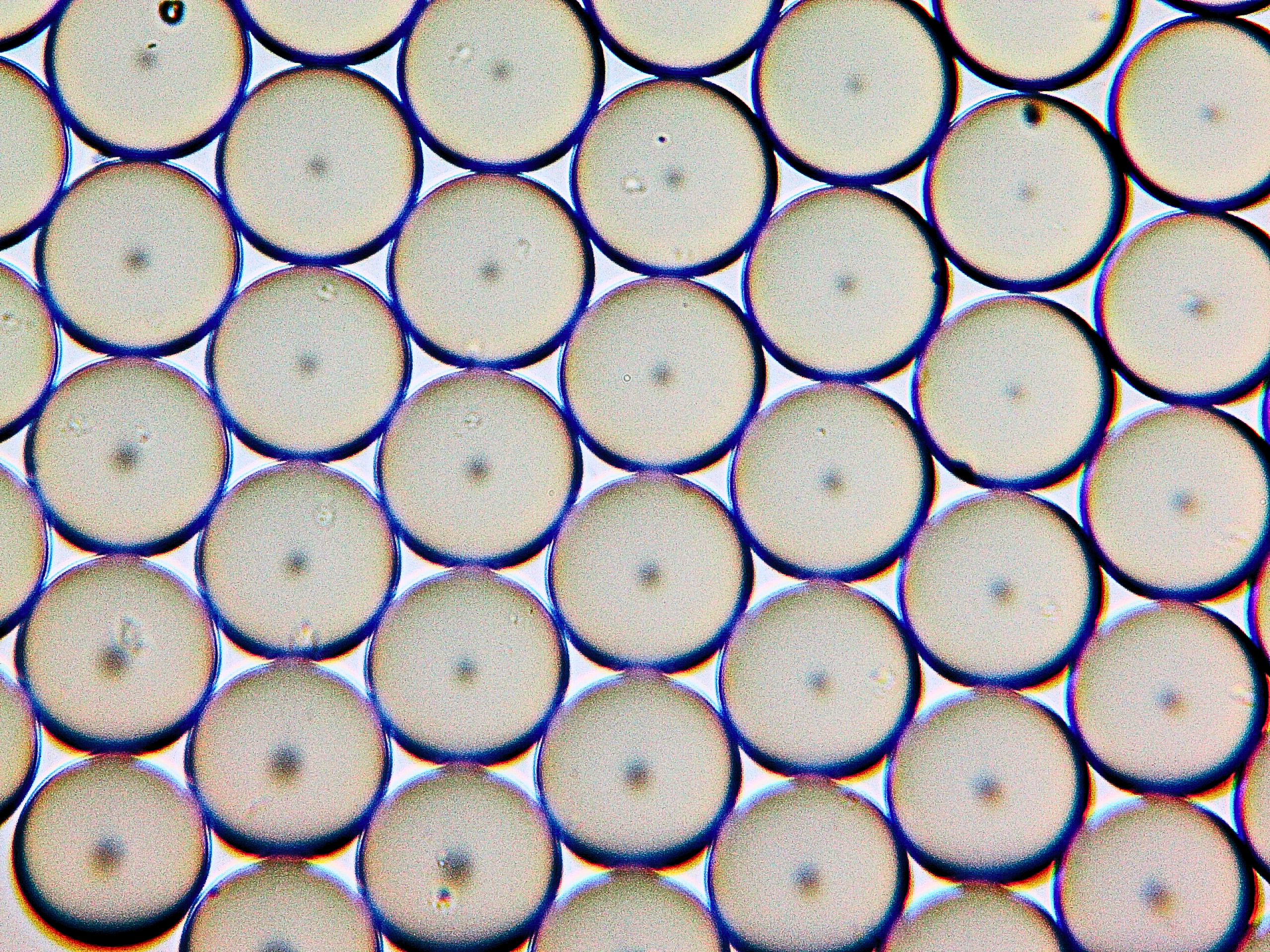
Alginate beads in water

Alginate microparticles

Size range available: 50 – 190 µm
Polydispersity: CV < 5%
Customisation options:
• Alginate hydrogel particles
• Magnetic alginate particles
• Size-controlled particles
• Chemical gelation
• Application-specific formulation
Request quote

Chitosan microparticles

Size range available: 50 – 190 µm
Polydispersity: CV < 5%
Customisation options:
• Chitosan microparticles
• Surface modification
• Drug encapsulation
• Size-controlled particles
• Application-specific formulation
Request quote

Chitosan-PEG microparticles

Polyethylene glycol-conjugated chitosan
Size range available: 50 – 190 µm
Polydispersity: CV < 5%
Customisation options:
• PEG-conjugated chitosan
• Chitosan-based hydrogel particles
• Nanoparticle or microparticle format
• Drug delivery applications
• Application-specific formulation
Request quote

PAM hydrogel microparticles

Polyacrylamide-based hydrogel
Size range available: 20 – 190 µm
Polydispersity: Application-dependent
Customisation options:
• Polyacrylamide hydrogel microspheres
• Crosslinked polymer networks
• Disulphide-crosslinked particles
• Soft hydrogel particle systems
• Application-specific formulation
Request quote
PLGA curcumin microparticles

PLA microparticles

Poly(lactic acid)
Size range available: 20 – 100 µm
Polydispersity: typically CV < 5%
Customisation options:
• Biodegradable polymer particles
• Functionalised particles
• Size-controlled particles
• Nanoparticle or microparticle format
• Application-specific formulation
Request quote

PLLA microparticles

Poly-L-lactic acid
Size range available: 20 – 100 µm
Polydispersity: typically CV < 5%
Customisation options:
• Non-functionalised particles
• Functionalised particles
• Fluorescent particles
• Size-controlled particles
• Biodegradable polymer formulation
Request quote

Pectin microparticles

Size range available: 50 – 190 µm
Polydispersity: CV < 5%
Customisation options:
• Pectin hydrogel particles
• Size-controlled particles
• Chemical gelation
• Encapsulation applications
• Application-specific formulation
Request quote

PVA microparticles

Polyvinyl alcohol
Size range available: 50 - 190 um
Polydispersity: CV < 5%
Customisation options:
• PVA hydrogel particles
• Non-functionalised particles
• Functionalised particles
• Fluorescent particles
• Crosslinked polymer systems
Request quote
PLGA microparticles

PLGA microparticles

Size range available: 5 – 200 µm
Polydispersity: CV < 5%
Customization options:
• Cell encapsulation
• Drug loading
• PLA/PGA ratio
• Core-shell particles
• Magnetic particles
Request Quote
Droplets

PS (plain polystyrene) microparticles

Size range available: 40 - 140 µm
Polydispersity: CV < 5%
Customisation options:
• Plain polystyrene particles
• Porous PS particles
• Size-controlled particles
• Thermal polymerisation
• Application-specific formulation
Request Quote
Agarose beads in oil

Agarose microparticles

Size range available: 100 – 290 µm
Polydispersity: CV < 5%
Customisation options:
• Basic agarose particles
• Functionalised particles
• Conjugated particles
• Coloured particles
• Size-controlled particles
Request Quote
Alginate beads in water

Alginate microparticles

Size range available: 50 – 190 µm
Polydispersity: CV < 5%
Customisation options:
• Alginate hydrogel particles
• Magnetic alginate particles
• Size-controlled particles
• Chemical gelation
• Application-specific formulation
Request Quote

Chitosan microparticles

Size range available: 50 – 190 µm
Polydispersity: CV < 5%
Customisation options:
• Chitosan microparticles
• Surface modification
• Drug encapsulation
• Size-controlled particles
• Application-specific formulation
Request Quote

Chitosan-PEG microparticles

Size range available: 50 – 190 µm
Polydispersity: CV < 5%
Customisation options:
• PEG-conjugated chitosan
• Chitosan-based hydrogel particles
• Nanoparticle or microparticle format
• Drug delivery applications
• Application-specific formulation
Request Quote

PAM hydrogel microparticles

Size range available: 20 – 190 µm
Polydispersity: Application-dependent
Customisation options:
• Polyacrylamide hydrogel microspheres
• Crosslinked polymer networks
• Disulphide-crosslinked particles
• Soft hydrogel particle systems
• Application-specific formulation
Request Quote
PLGA curcumin microparticles

PLA microparticles

Size range available: 20 – 100 µm
Polydispersity: typically CV < 5%
Customisation options:
• Biodegradable polymer particles
• Functionalised particles
• Size-controlled particles
• Nanoparticle or microparticle format
• Application-specific formulation
Request Quote

PLLA microparticles

Size range available: 20 – 100 µm
Polydispersity: typically CV < 5%
Customisation options:
• Non-functionalised particles
• Functionalised particles
• Fluorescent particles
• Size-controlled particles
• Biodegradable polymer formulation
Request Quote

Pectin microparticles

Size range available: 50 – 190 µm
Polydispersity: CV < 5%
Customisation options:
• Pectin hydrogel particles
• Size-controlled particles
• Chemical gelation
• Encapsulation applications
• Application-specific formulation
Request Quote

PVA microparticles

Size range available: 50 - 190 um
Polydispersity: CV < 5%
Customisation options:
• PVA hydrogel particles
• Non-functionalised particles
• Functionalised particles
• Fluorescent particles
• Crosslinked polymer systems
Request Quote
Need something more specific?
Work with our specialists
Frequently asked questions
Why should I consider a microfluidic approach?

Microfluidics is widely used in life science tools and medical devices due to its precise fluid control,  reduced reagent use and cost, improved reaction times and throughput; and its ease of integration, automation and portability.

Can you help us design and make a new microfluidic chip?

We have some of the most experienced microfluidic engineers in the world. If it’s physically possible, our team can make it happen.

Do you have a preferred material or manufacturing method for microfluidics?

We are material agnostic. Different materials come with their own benefits and limitations, depending on your stage of product development. We choose the material that suits the requirements best, depending on cost, precision, speed and performance

Do you manufacture microfluidic chips?

We don’t manufacture microfluidic chips ourselves; we work with a world-class network of glass and polymer microfabrication partners. Our engineers can design for your needs while considering the right material and manufacturer to use. Whether it’s a prototype or a mass-produced single-use consumable, we know how to get it done.

I’m developing a new application using microfluidics, can you help?

Yes, we have a huge range of experience in developing and testing applications of microfluidics! Our scientists can help design and run the experiments you need.   

Why make microparticles using microfluidics?

There are plenty of reasons to choose microfluidics over batch methods for microparticle production - low energy use, better process control, improved dispersity, and higher reproducibility, to name just a few.

What can you make micro and nano - particles out of?

At Blacksheep, we have extensive experience of using microfluidics to make microparticles out of polystyrene, polymethacrylate, polyacrylamide, alginate, agarose, poly-lactic-glycolic-acid (PLGA), polyacrylamide. We also have experience in making lipid, PLGA and other polymer nanoparticles.  

Do you work with complex particles and emulsions?

We can produce Janus particles, core-shell structures, and double emulsions using microfluidic methods.

What if my idea works and I want to develop it into a product, platform or manufacturing process?

We’ve got a team of engineers with deep experience in life science instrument development. If your idea is viable, we can help you take it all the way to a working product or scalable process.

Is microfluidics compatible with living cells?

Absolutely - microfluidics can be used to generate spheroids and organoids and is one of the preferred methods for handling living cells in research and therapeutic development.

Can you manufacture custom microparticles?

Yes - our expertise allows us to produce highly monodisperse microparticles to your specified requirements.

Can you develop instruments that incorporate our microfluidics?

Yes - we can design and build instruments that integrate your microfluidic system as part of a complete platform.

What engineering expertise do you have?

Our team combines mechanical, electrical, and fluidic engineering with systems integration and life science instrumentation. We support a wide range of biotech and life science applications - including but not limited to microfluidic systems.

How much does a project cost?

Costs vary depending on the complexity and scope of your project. We offer flexible engagement models and can provide a quote once we understand your specific needs.

How long does a project take?

Timelines depend on the stage and scale of the project. Some take a few weeks, others several months. We’ll give you a clear timeline once we scope the work.