.png)
Microfluidic particle systems: Choosing the right particle for your application
A practical guide to microfluidic particle types, materials, structures, and applications.
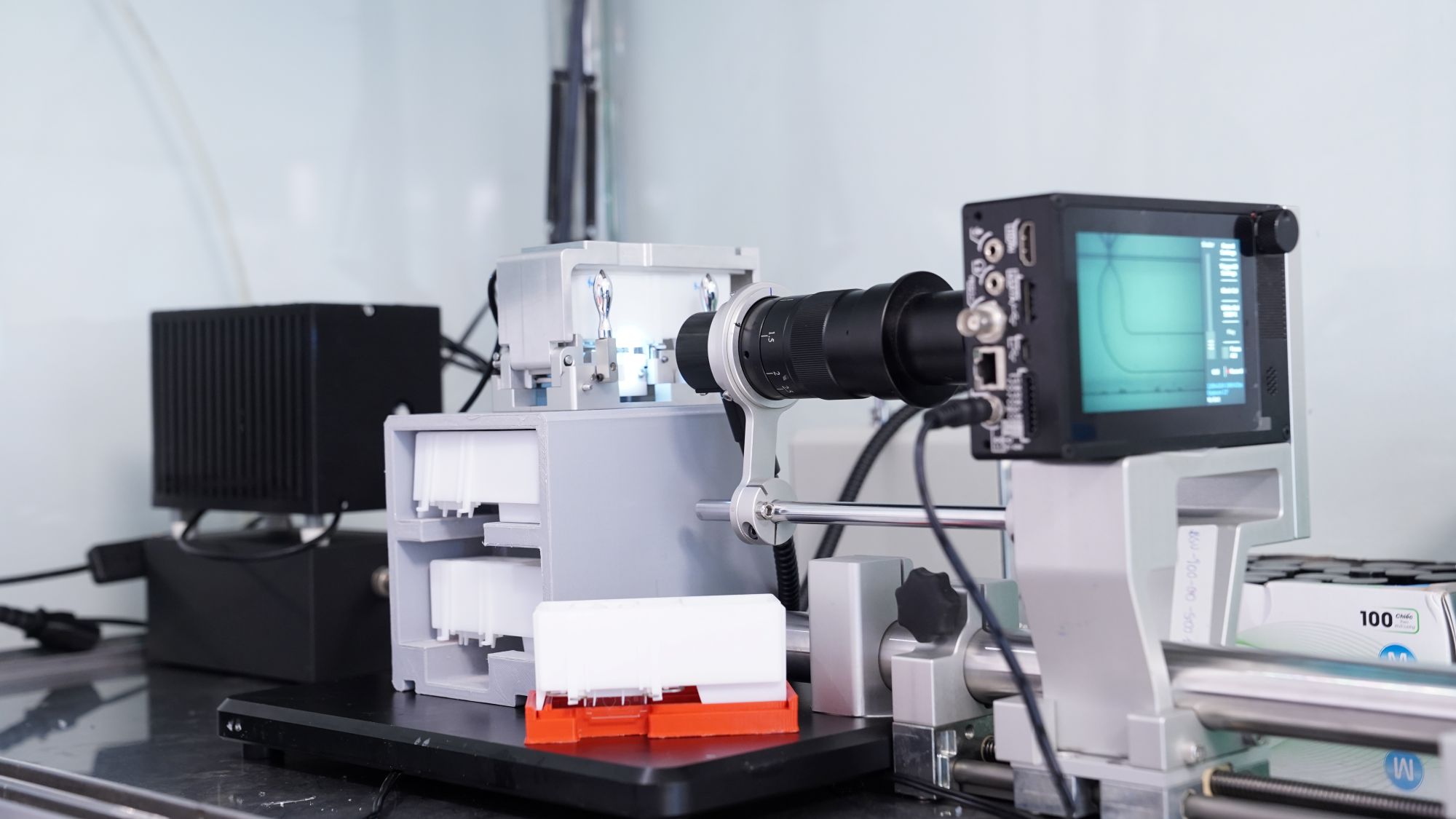
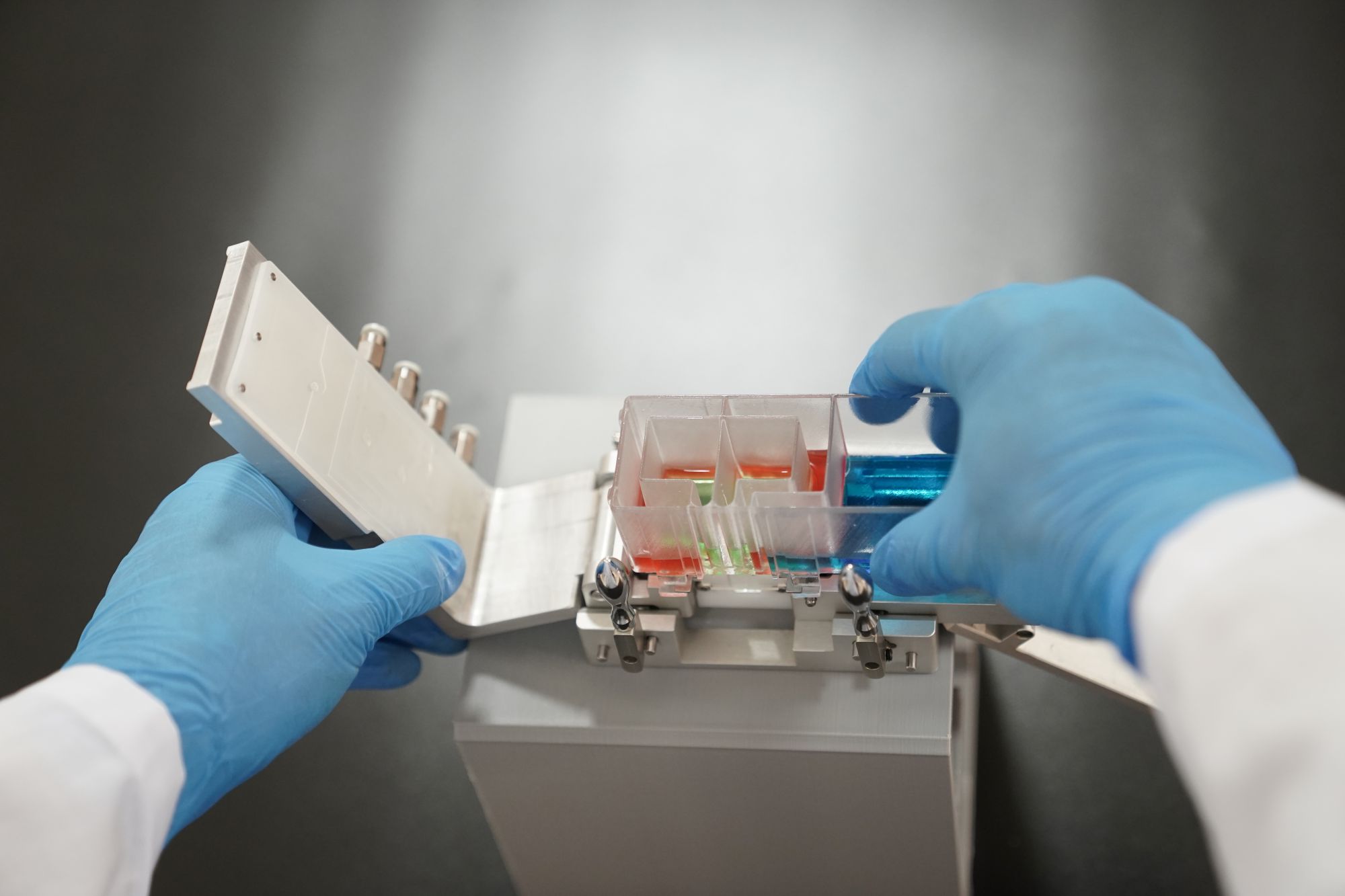
Microfluidics enables the production of highly controlled particles with precise size, structure, and composition. Over the last decade, researchers have developed a wide range of microfluidic particle systems for applications including drug delivery, cell encapsulation, diagnostics, biomaterials, food science, and advanced manufacturing.
However, choosing the right particle system is not always straightforward. Different applications require different particle materials, internal structures, release behaviours, and manufacturing approaches.
What defines a high-quality microfluidic particle?
A microfluidic particle can be tailored through several key design parameters:
- Material – such as alginate, chitosan, poly(lactic-co-glycolic acid) (PLGA), polyethylene glycol (PEG), polyvinyl alcohol (PVA), or other polymers
- Size – from tens of microns to several hundred microns
- Structure – solid, porous, core–shell, Janus, or multicompartment particles
- Monodispersity – microfluidic particles are typically produced with narrow size distributions, often achieving coefficients of variation (CV) below 5%, which improves reproducibility and performance
- Surface functionality – particle surfaces can be engineered with functional groups such as hydroxyl, carboxyl, amine, or other chemistries to enable conjugation, targeting, sensing, or further modification
- Payload – cells, drugs, proteins, dyes, nanoparticles, or other active ingredients
- Function – encapsulation, controlled release, protection, sensing, or material templating
By controlling these variables, researchers can design particles that match specific experimental or commercial requirements.
Common microfluidic particle systems
Different microfluidic particle systems offer different combinations of material properties, structures, payload capacity, monodispersity, and surface functionality. The most suitable system depends on the intended application, desired release behaviour, and required level of particle control.
Hydrogel beads
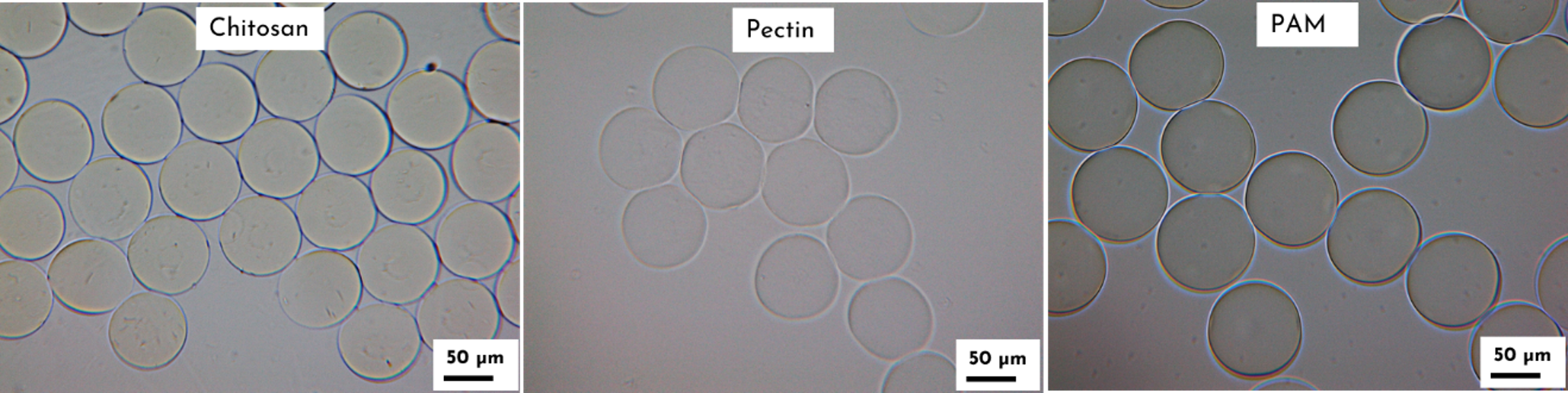
Hydrogel particles are among the most widely used microfluidic particle systems. Materials such as alginate, chitosan, pectin, polyacrylamide (PAM), and PVA can be formed into uniform beads for encapsulation, cell culture, biomaterials research, and controlled release applications.
PLGA microparticles
PLGA particles are commonly used in drug delivery and release studies. Their biodegradable polymer matrix allows active compounds to be encapsulated and released over extended periods, making them useful for pharmaceutical and biomedical applications.
At Blacksheep Sciences, we have demonstrated PLGA microparticle production and release profiling using a microfluidic Chip Kit platform. The study explored Rhodamine B encapsulation and release behaviour in PLGA formulations containing different hydrophilic additives, highlighting how particle composition can influence release kinetics. Read the full article on PLGA drug encapsulation using microfluidics.
Core–shell particles
Core–shell structures contain distinct inner and outer layers, allowing different materials or functions to be combined within a single particle. These systems are often used for controlled release, protection of sensitive payloads, and compartmentalised reactions.
Janus particles
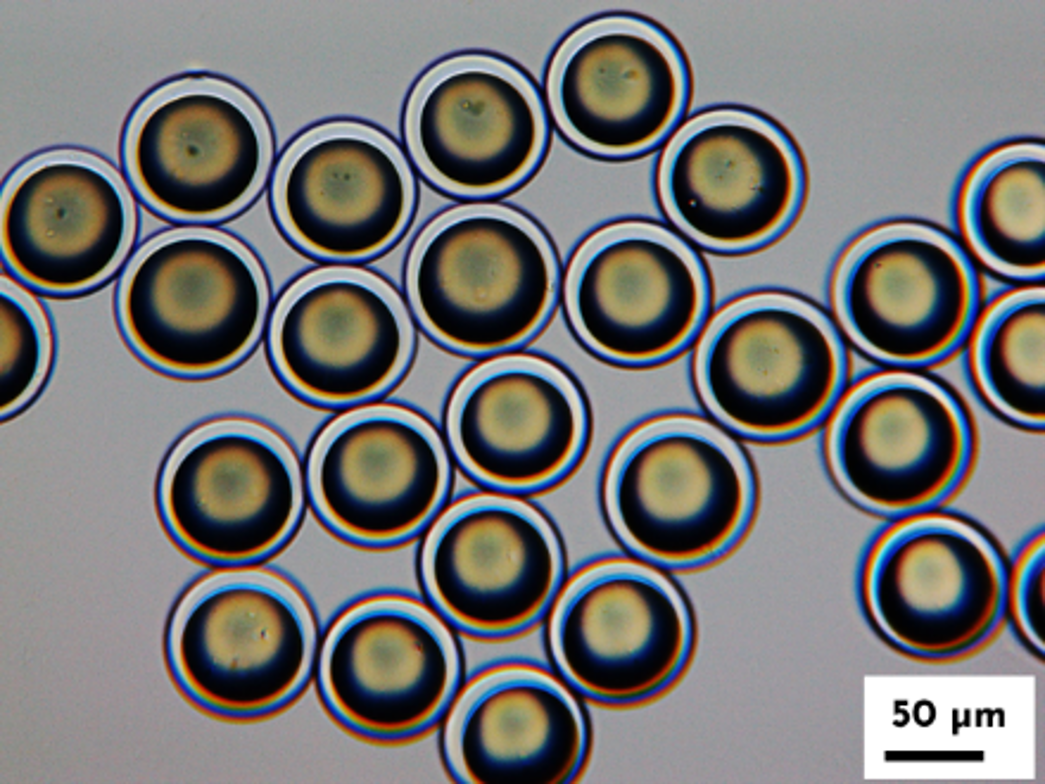
Janus particles contain two distinct regions with different physical or chemical properties. This unique structure enables advanced functionality for sensing, self-assembly, targeting, and multiphase material systems.
Functional and custom particles
Microfluidic particle generation is highly adaptable, enabling customised particle architectures designed around specific research challenges, materials, or payloads.
How to choose the right particle system
Selecting a particle system involves more than choosing a material. Researchers often need to balance particle structure, monodispersity, payload requirements, surface functionality, and manufacturing complexity.
Some useful starting questions include:
- Does the application require simple encapsulation, controlled release, or multiple compartments?
- Is particle size uniformity critical for experimental reproducibility?
- Are specific surface chemistries required for conjugation, targeting, or sensing?
- Does the payload consist of cells, proteins, small molecules, or nanoparticles?
- Are biodegradability, mechanical properties, or long-term stability important?
By considering these factors together, researchers can identify the particle architecture most suitable for their application.
Explore our microfluidic particle catalogue
At Blacksheep Sciences, we have developed a growing range of microfluidic particle systems covering hydrogel beads, PLGA microparticles, core–shell structures, Janus particles, and other custom particle architectures.
Explore our Microfluidic Particle Catalogue to compare particle materials, structures, size ranges, surface functionalities, payload capabilities, and application areas, and find the system best suited to your research needs.