Accelerating lab experimentation with a modular, tubeless microfluidic system
How we cut setup time from an hour to minutes by rethinking the microfluidic workflow. Engineering that enables science!
1. Problem
Our Science team uses microfluidics to produce microparticles for client applications, tuning droplet sizes, formulations and flow conditions to achieve precise particle properties. This requires frequent iteration and testing across different experimental setups.
Traditional microfluidic systems, however, involve multiple components - tubing, reservoirs, chip holders and alignment tools. When changing conditions, large parts of the system have to be disassembled and reconfigured. This process is slow, error-prone and a major bottleneck for high-frequency experimental iteration.
To accelerate our droplet production workflow we need a compact, reliable and easy to setup system that can streamline iteration without compromising performance.
2. Solution
To simplify microfluidic workflows, our team developed a compact, modular setup. Within the lab, the team have called it the ‘Particle-izer’, reflecting its usefulness in particle production.
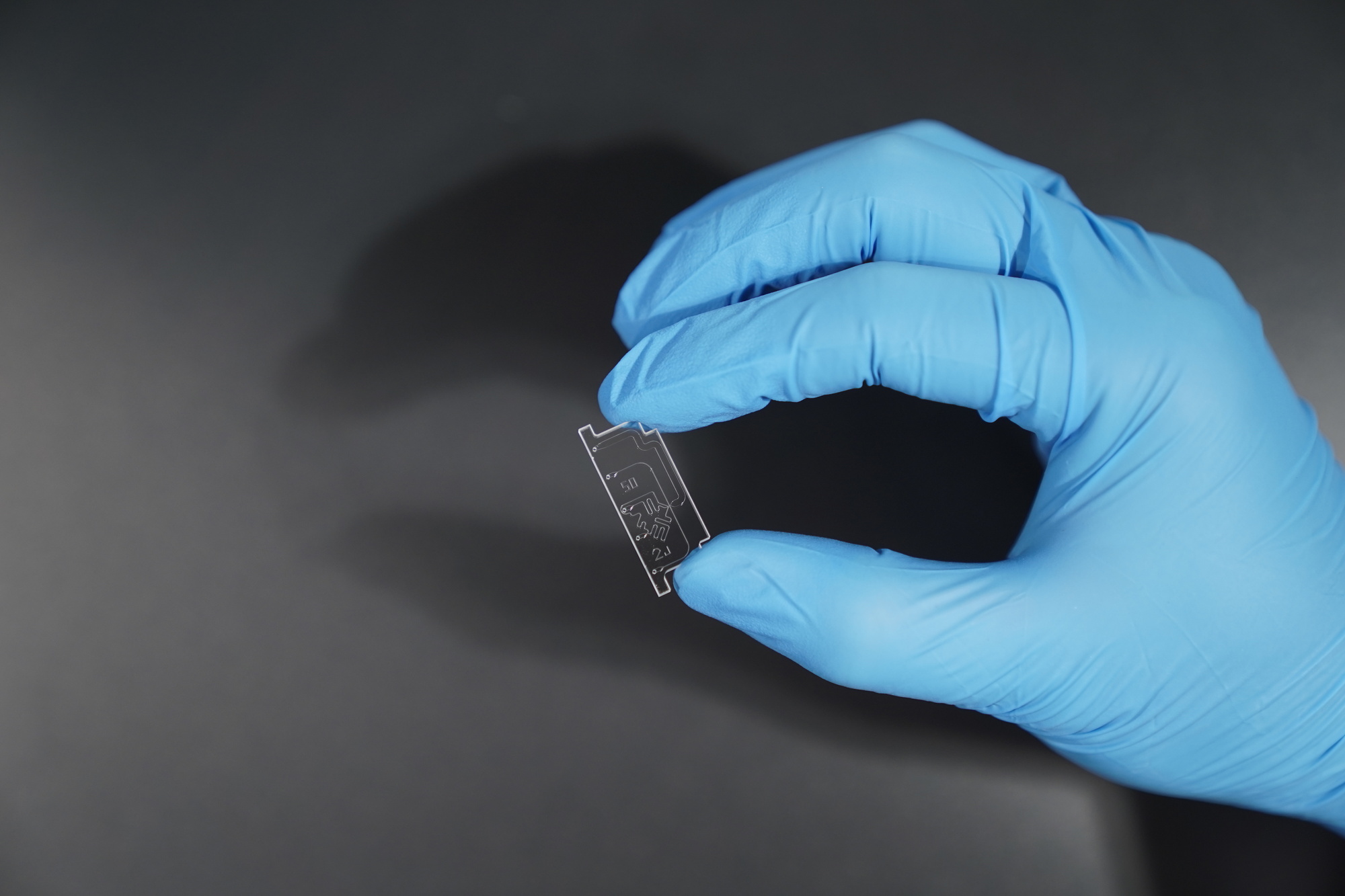
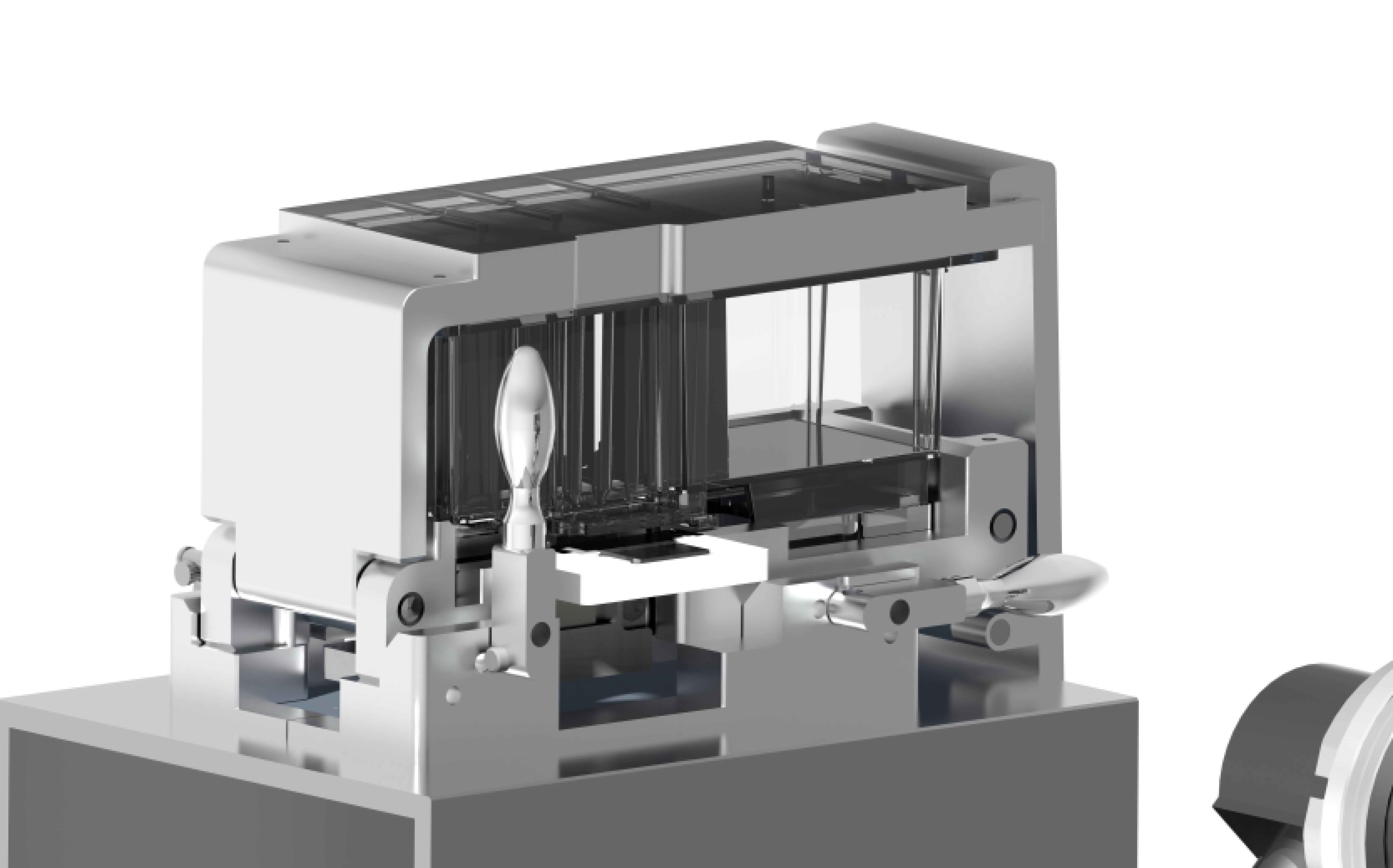
Put simply, this is a modular system that integrates chip handling, sealing and fluid delivery into one platform. The platform combines a plastic cartridge, a precision glass chip and a metal clip. The glass microfluidic chip is secured to the cartridge using the clip in a single operation, with alignment and sealing being achieved by the innovative design. The cartridge then acts as both fluidic reservoir and chip holder, allowing reagents to be added directly into it - all without tubing or priming.
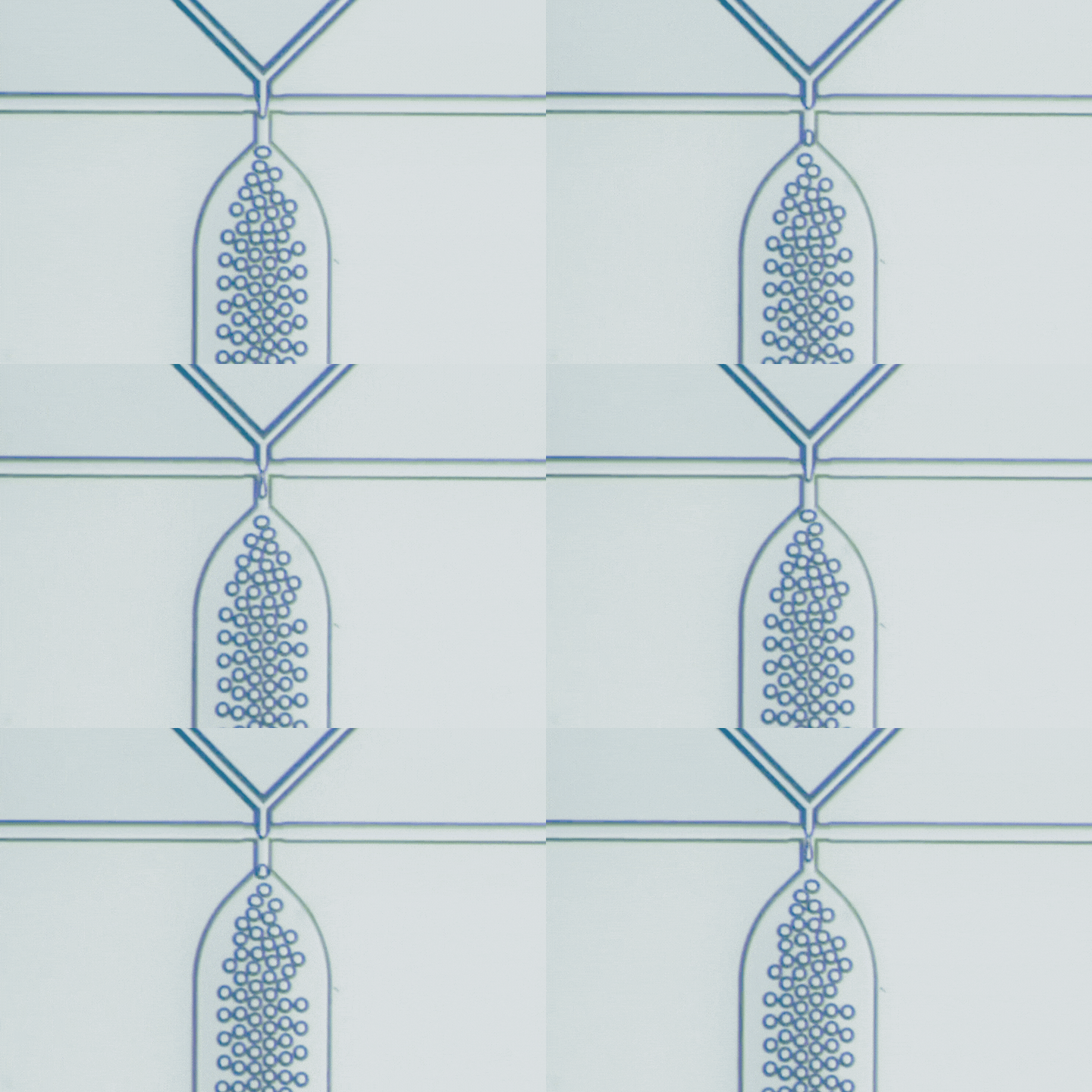
.gif)
.JPG)
The system includes a clamp module that connects the cartridge securely to standard pressure pumps to drive fluids through the chip. This enables direct fluid input to the chip without tubing, allowing the setup to slot effortlessly into existing lab workflows.
.JPG)
Together, these elements form a flexible platform that lets our researchers change conditions and run new tests within minutes, rather than rebuilding an entire setup. Additionally, it is specifically designed to enable both small-volume screening and increased scale production-oriented workflows - with exactly the same setup.
3. Impact
- Setup time dramatically reduced - chip swaps and formulation changes now take just a few minutes, compared to nearly an hour with traditional systems
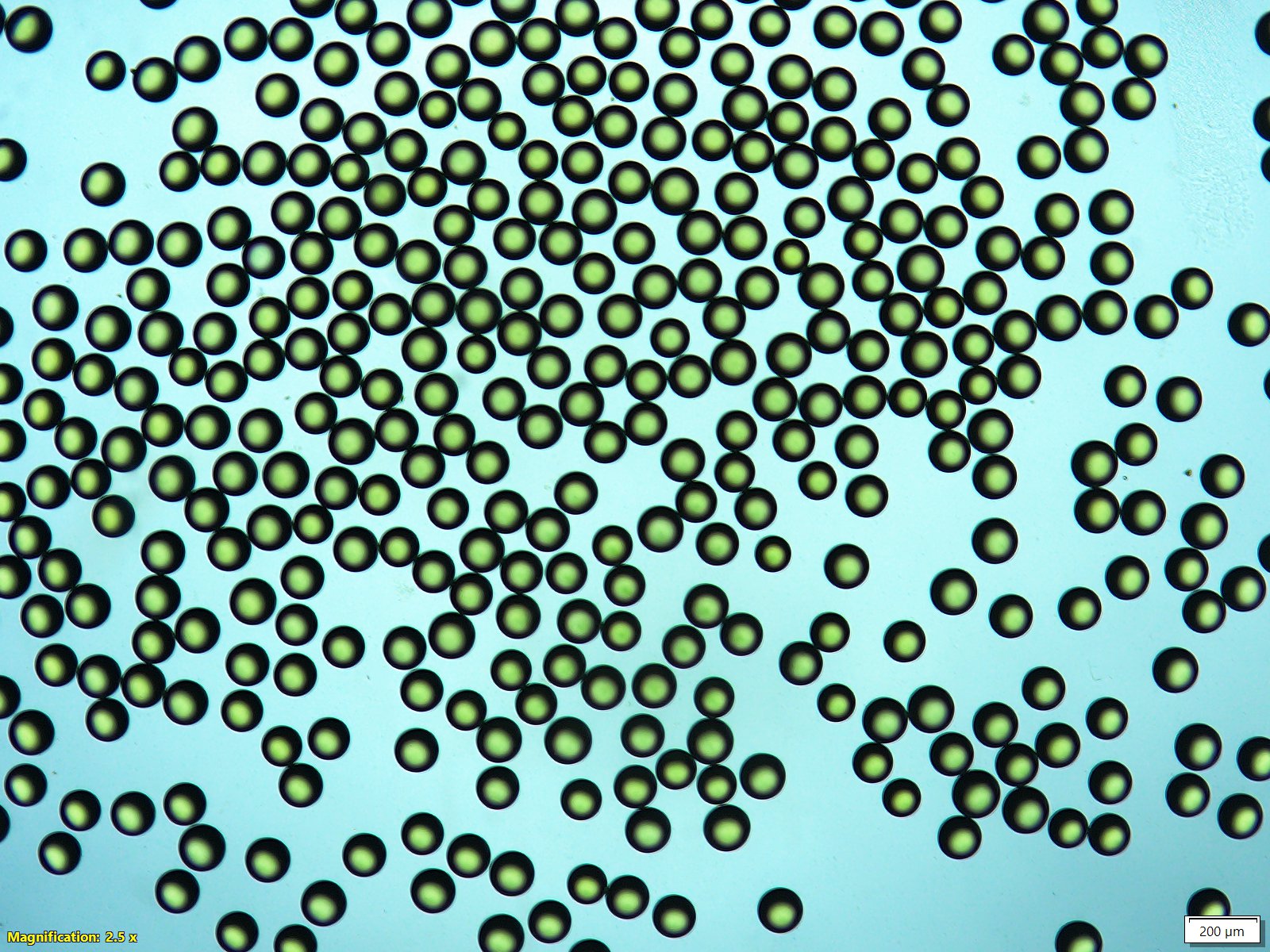
- Improved product consistency - eliminating tubing removes a source of compliance and flow variability; the direct connection system implemented here yields high quality monodisperse droplets.
- No tools, no priming - all operations are performed manually and intuitively.

.gif)
Left: Traditional system with lots of tubing and connectors / Right: Our plug-and-play platform
- High flexibility - dual-orientation chip loading supports diverse microfluidic layouts and junction geometries.
.JPG)
.JPG)
Left: Microfluidic chip attached edge-wise to the cartridge / Right: Microfluidic chip attached surface-wise to the cartridge
- Designed for cost-efficiency - the plastic cartridge and reusable glass chip reduce production complexity and per-use cost, while ensuring high precision and ease of use
- Integrated system - eliminates handoffs between devices, reducing error and setup time
.JPG)
4. How we did it
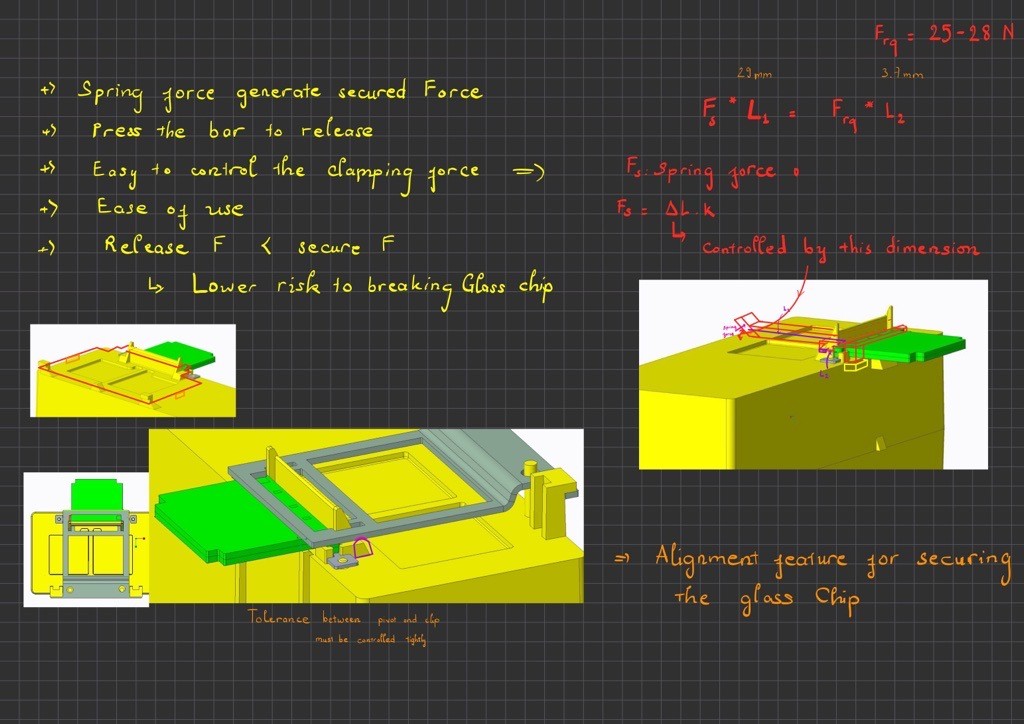
We designed every component of this system in-house - from the cartridge geometry to the metal clip to the microfluidic chip layout. The system was developed with usability in mind, and expert mechanical design made it truly tool-free, reliable, and useful.
4.1. Plan and Define
We began by mapping the bottlenecks that slowed iteration: tubing changes, system priming, manual chip handling and the need to manage multiple disconnected components. From this, we set clear requirements: the new system had to be tubeless, tool-free, flexible in chip orientation and compact enough to replace our bulkier setup.
4.2. Design and Prototype
From early sketches, we refined a design concept centered on simplicity: a minimal plastic cartridge and robust metal clip, paired with an etched-glass chip for precision and chemical compatibility. This mechanical platform solved the handling and sealing challenges, but it also required a chip designed specifically to fit.
.png)
.jpg)
That chip was designed in-house, with layout, dimensions and tolerances defined to align with the cartridge. Fabrication was carried out by IMT, whose wet-etching and LAGE expertise provided the accuracy needed for high-quality glass microfluidic features.
.JPG)
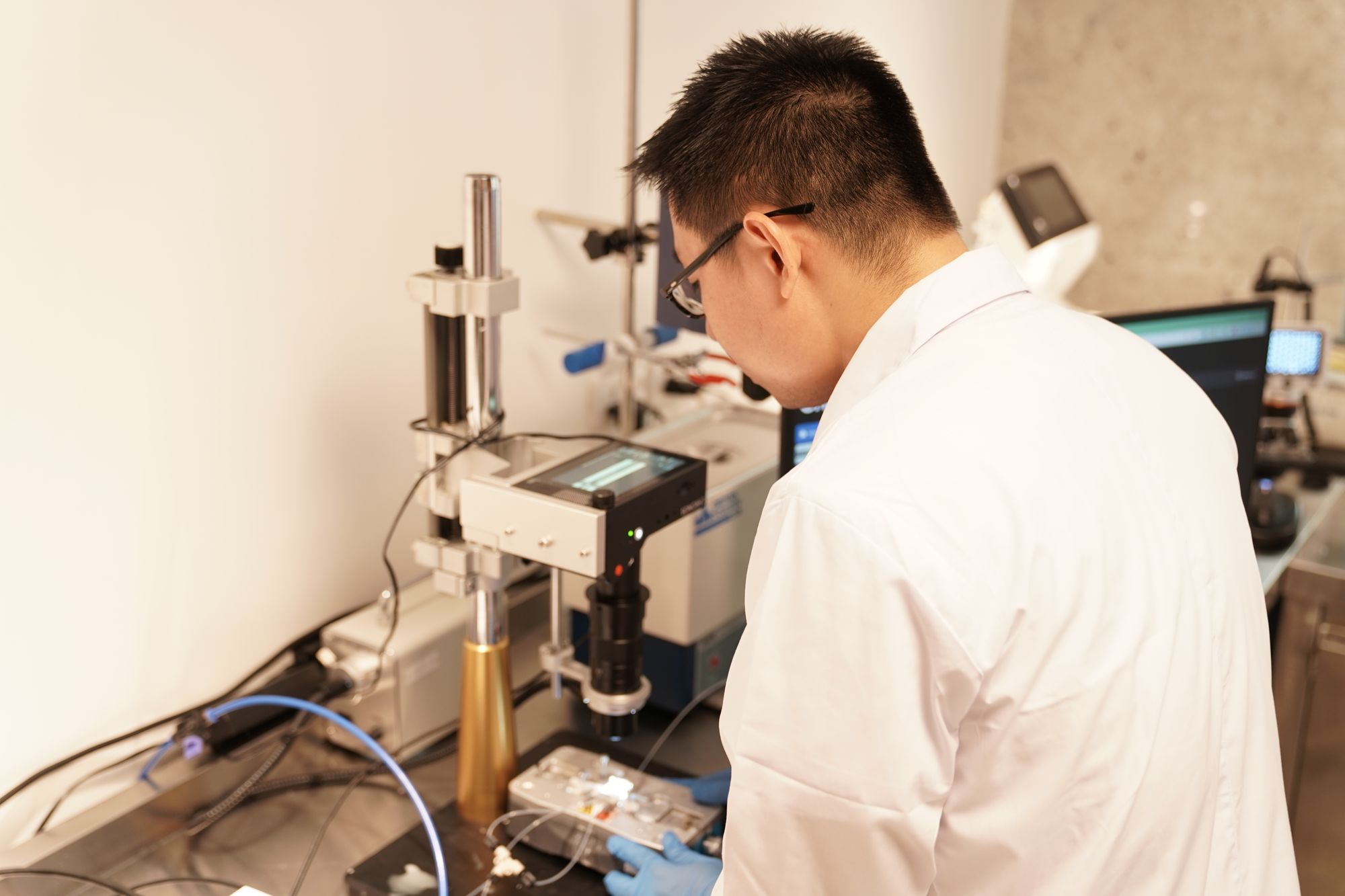
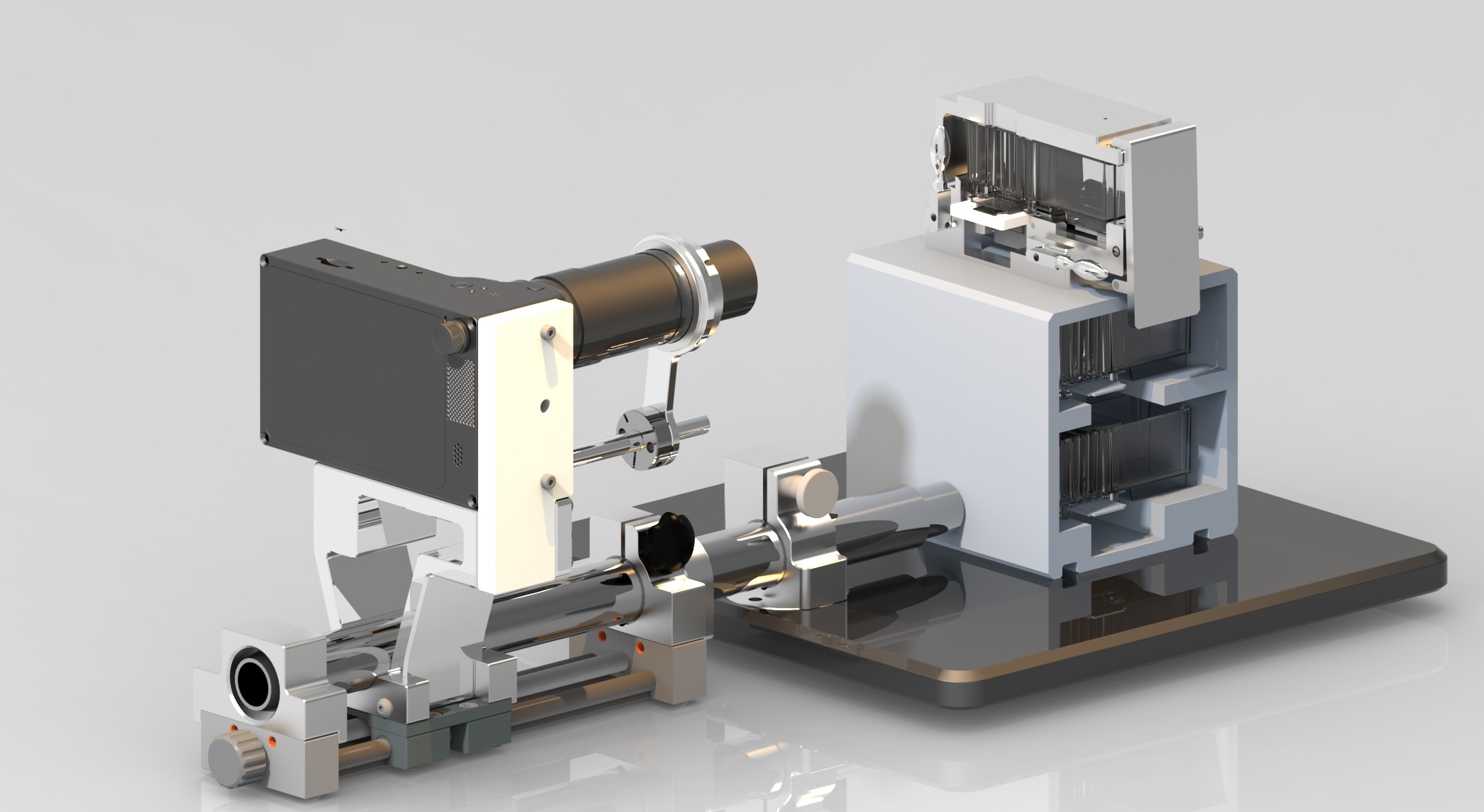
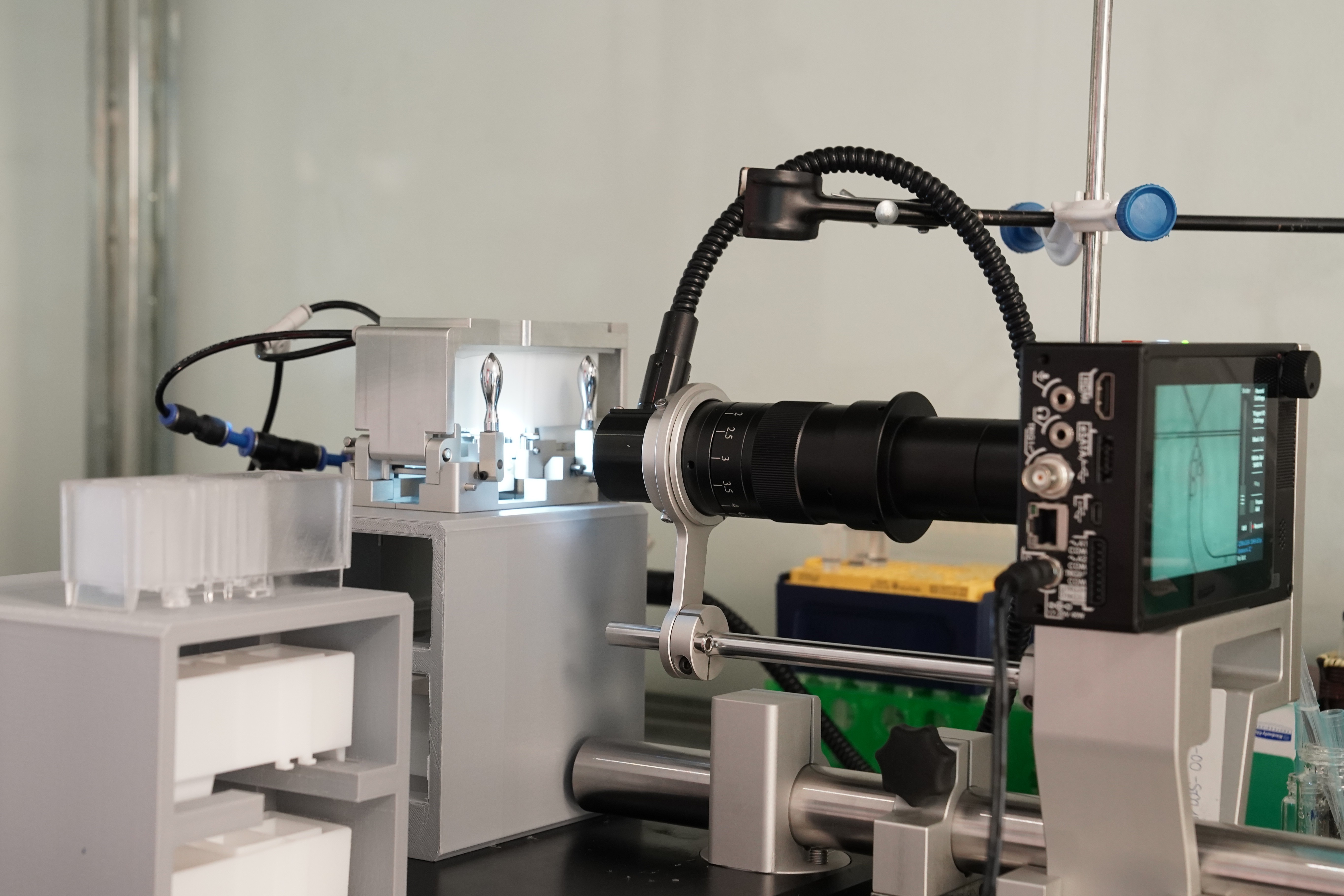
We also integrated the prototypes with microscope hardware, enabling real-time visualization of droplets during experiments.
4.3. Testing & Validating
The very first prototypes were put through daily use in our lab, with continuous feedback from scientists. The design was progressively optimized for usability, sealing and handling. The final system demonstrated it could reliably generate uniform droplets with minimal setup and no tuning, confirming its value for both rapid prototyping and routine experimentation.
.gif)
5. Collaborations beyond the lab
The ‘Particle-izer’ is currently in use as a research platform in our lab for prototyping, particle tuning and workflow development. We are now exploring collaborations beyond our own lab to see what else it can do!
If you have a microfluidic or lab challenge – whether developing a new workflow or simplifying an existing setup, we’d be glad to explore solutions together. Get in touch with us at https://www.blacksheepsciences.com/contact-us